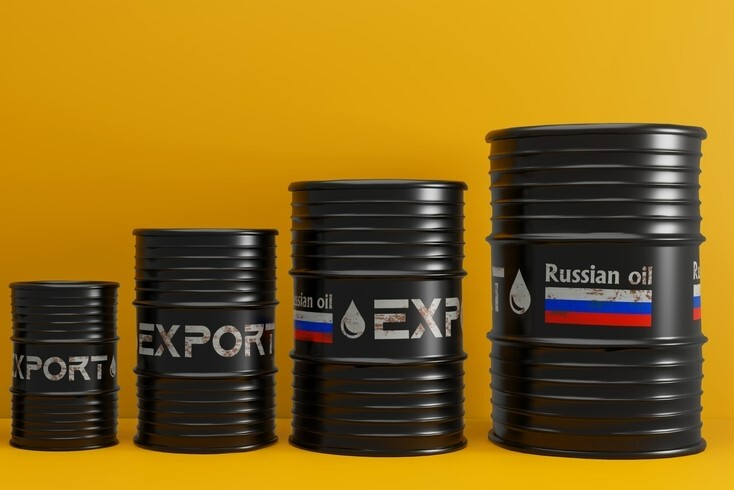
Oil tankers transporting crude oil at sea as the United States temporarily eases sanctions to allow stranded Russian oil cargoes to be sold to India.
The United States has temporarily eased some sanctions on Russian oil to allow crude already stranded at sea to be sold to India, in a move aimed at preventing disruptions to the global energy market.
The waiver, issued on Thursday by the U.S. Department of the Treasury, authorises transactions involving Russian-origin crude oil and petroleum products that had already been loaded on vessels as of March 5, 2026.
According to a statement from the Office of Foreign Assets Control (OFAC), the licence permits the delivery and sale of such cargoes to India until April 3, 2026. The exemption also covers shipments carried by vessels affected by different sanctions regimes.
Stabilising global oil supply
US Treasury Secretary Scott Bessent said the short-term waiver was introduced to ensure oil supplies continue flowing into the global market while maintaining pressure on Moscow.
He explained that the measure would only apply to oil already stranded at sea and would therefore not significantly boost revenues for the Russian government.
“This deliberately short-term measure will not provide significant financial benefit to the Russian government as it only authorises transactions involving oil already stranded at sea,” Bessent wrote in a post on X.
He noted that allowing the sales could also reduce energy market pressure caused by Iran, which he accused of attempting to disrupt global oil supply.
Russian energy companies
The waiver comes months after Donald Trump, President of the United States, imposed sanctions on major Russian energy companies Lukoil and Rosneft in November.
READ ALSO
- Intense Israeli Airstrikes Hit Iran, Lebanon on Friday
- US Eases Sanctions on Russia Oil to Allow Crude Stranded at Sea
- Slain Iranian Leader Ali Khamenei to Be Buried in Mashhad
- Global Stocks Sink, Dollar Rises Amid Israel-Iran Conflict
The sanctions were part of efforts by Washington and its allies to pressure Russia over its full-scale invasion of Ukraine in 2022.
Those restrictions forced many global buyers of Russian crude to seek alternative suppliers, tightening energy markets and reshaping international oil trade flows.
Sanctions evasion concerns
Despite sanctions from the European Union, G7, and the United States, Russia has assembled a fleet of ageing oil tankers with opaque ownership structures to continue exporting crude.
Analysts say the so-called “shadow fleet” has enabled Moscow to maintain significant oil exports despite Western restrictions.
However, Washington insists the latest waiver is a temporary logistical measure designed to clear stranded shipments rather than weaken the sanctions regime.
About The Author